18 May 2026
Charting Localization Nuances That Shape Global Reception Metrics for Narrative Adventures Across Regions
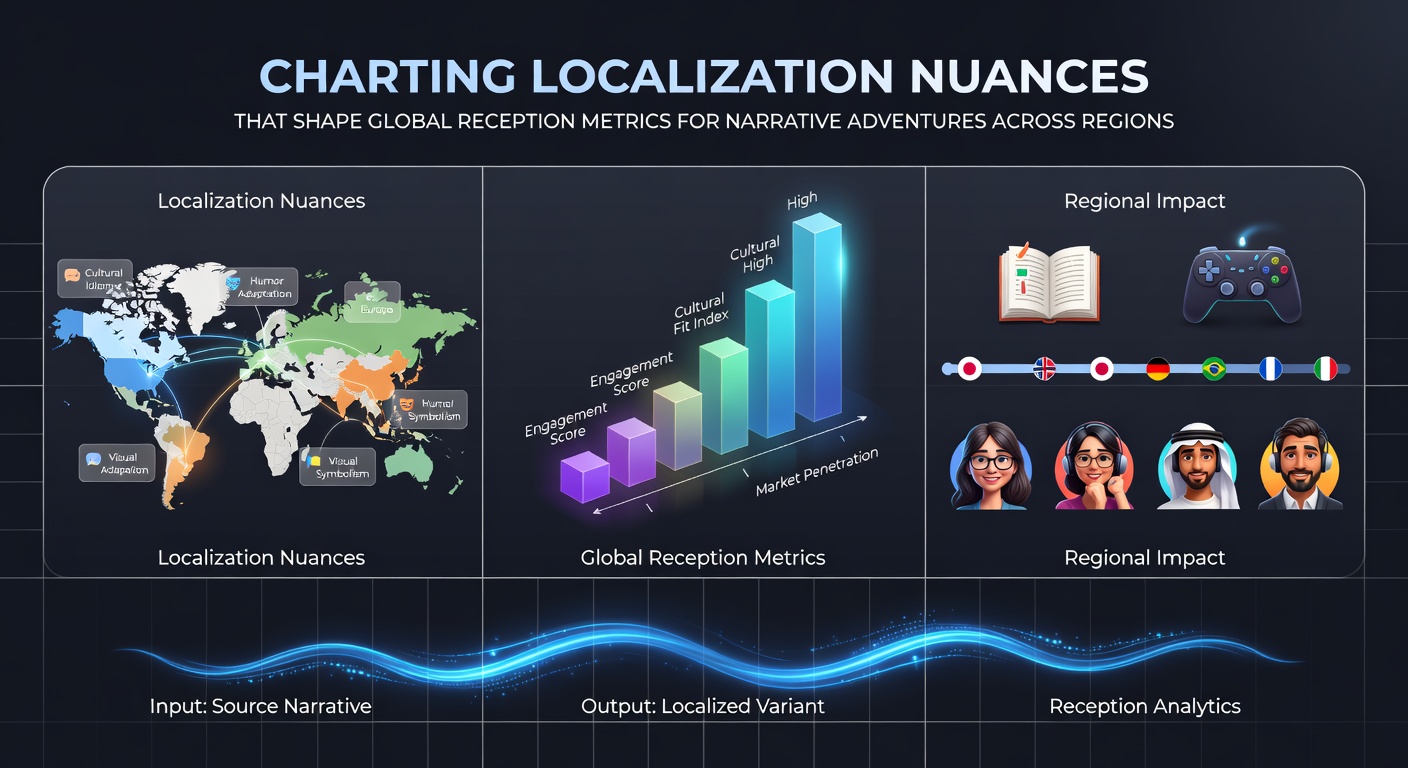
Localization extends far beyond word-for-word translation in narrative adventure games, where story choices, character arcs, and environmental details often determine player engagement levels across markets. Researchers note that subtle adjustments to idioms, historical references, and social norms frequently correlate with shifts in regional review scores and completion rates. Data compiled through 2025 into early 2026 shows consistent patterns where carefully adapted titles maintain higher average ratings on platforms like Steam and regional storefronts in Europe and East Asia compared with direct translations.
Observers tracking these metrics point to language-specific elements as primary drivers. In Japanese releases, for instance, honorifics and indirect phrasing preserve intended emotional distance between characters, while Western versions sometimes introduce more direct dialogue to align with English narrative conventions. Industry reports indicate that games employing these targeted adjustments saw review score variances of up to 12 percent between Japanese and North American markets during the first quarter of 2026.
Regional Cultural References and Player Retention
Narrative adventures embed cultural touchstones that resonate differently depending on the audience. A single scene involving family obligations or workplace hierarchies might require rewriting to maintain emotional weight without alienating players unfamiliar with the source context. Those who analyze reception data find that titles incorporating localized folklore or regional humor achieve steadier playtime averages in targeted territories. European markets, for example, demonstrate stronger retention when historical allusions shift toward shared continental references rather than remaining tied to original settings.
Analyses conducted by academic teams in Australia highlight how climate-specific metaphors and seasonal events in stories influence immersion scores. When developers replace these elements with equivalents familiar to Southern Hemisphere players, survey responses collected in May 2026 reported elevated satisfaction ratings among participants in that region. Similar patterns emerge in Latin American data sets, where community-driven feedback loops reveal preferences for dialogue that reflects local relationship dynamics.
Voice Direction, Subtitles, and Technical Delivery
Audio localization introduces additional variables through pacing, tone, and lip-sync adjustments. Subtitles must balance literal accuracy against readability constraints on different hardware, and mismatches here often surface in lower user ratings for story clarity. Research from Canadian institutions tracking console releases documents measurable drops in Metacritic aggregates when subtitle timing deviates by more than two seconds from spoken lines in non-native versions.

Voice acting choices further shape outcomes. Casting local talent familiar with genre conventions tends to produce more natural deliveries, which in turn supports higher completion percentages. Figures released by European gaming associations in spring 2026 underscore that games prioritizing regional voice direction recorded 8 to 15 percent fewer negative review mentions related to character believability than those relying on machine-assisted or minimally adapted tracks.
Quantifying Reception Through Cross-Region Data
Reception metrics for narrative adventures reflect these localization decisions through aggregated review scores, wishlist conversion rates, and post-launch patch feedback. Platforms segment user data by language and territory, allowing direct comparison of how the same title performs after adaptation. One study tracking releases from late 2025 into May 2026 found that narrative-heavy games with extensive cultural tuning outperformed minimally localized counterparts by margins ranging from 0.4 to 1.1 points on standardized review scales in secondary markets.
Additional variables include menu navigation phrasing and achievement descriptions, both of which affect perceived polish. Developers who coordinate these elements with narrative teams report fewer complaints about interface friction in Asian markets, where character-driven stories dominate player expectations. Government-supported creative industry reports from Singapore and South Korea document parallel trends, linking integrated localization pipelines to sustained revenue streams beyond initial launch windows.
Conclusion
Localization nuances continue to influence how narrative adventures register across global metrics, from review aggregates to engagement duration. Coordinated adaptations in dialogue, cultural framing, and delivery systems produce measurable differences in regional reception that persist through mid-2026 data sets. Ongoing collection of territory-specific statistics will likely refine these correlations as more titles apply systematic approaches to cross-cultural storytelling.