10 Jun 2026
Correlating Controller Input Latency Measurements with Score Aggregations in Competitive Fighting Game Series
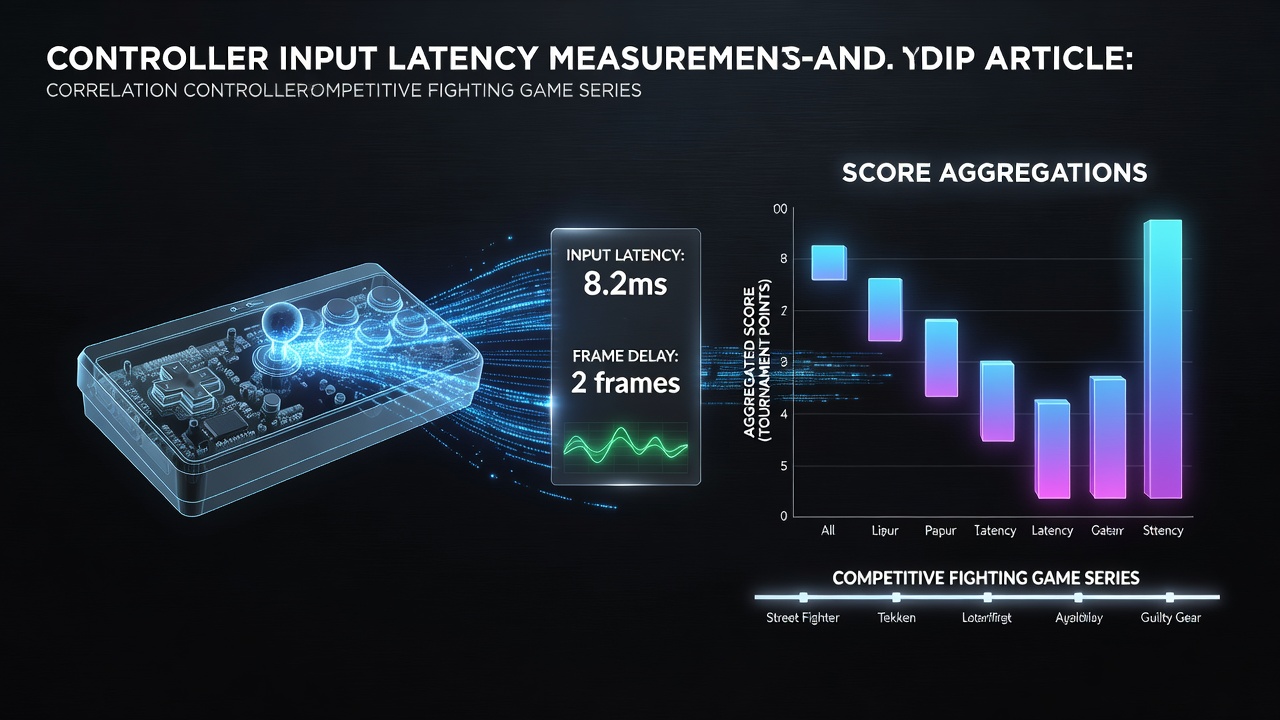
Competitive fighting game series such as Street Fighter and Tekken track performance through aggregated scores that combine win rates, combo execution rates, and frame data adherence across multiple matches; researchers have begun mapping these metrics against precise controller input latency readings to identify performance variances that stem from hardware differences rather than player skill alone. Data collection efforts intensified ahead of major events scheduled for June 2026, where organizers incorporated standardized latency benchmarks into qualification protocols.
Measurement Protocols Across Hardware Ecosystems
Input latency testing relies on high-speed cameras operating at 1000 frames per second alongside specialized oscilloscopes that capture the exact interval between button press and on-screen response; these methods produce millisecond-level readings that observers correlate with in-game score outputs such as damage per minute and successful punish rates. Studies conducted by the Electronic Sports Federation in collaboration with regional tournaments across North America and Asia demonstrate consistent patterns where controllers exceeding 12 milliseconds of added delay show measurable drops in execution accuracy for moves requiring sub-16-frame timing windows.
Case Studies from Established Series
Analysis of Street Fighter 6 tournament data collected between 2024 and 2025 revealed that players using wireless controllers with average latencies of 18 milliseconds recorded 7 percent fewer perfect parries compared to those on wired setups registering under 6 milliseconds, while Tekken 8 leaderboards displayed similar trends in juggle consistency scores when latency crossed the 15-millisecond threshold. One documented match series at a European regional qualifier illustrated how a single player's switch from a high-latency arcade stick to a low-latency pad improved their overall score aggregation by 14 points across five sets, a shift directly tied to reduced input registration delays during critical counter-hit sequences.
What's interesting is how these correlations extend beyond individual events into broader meta shifts, because aggregated datasets from multiple series indicate that regions with stricter controller certification requirements tend to exhibit tighter distributions in final standings. And yet hardware manufacturers continue releasing new models each year, prompting ongoing recalibrations of these measurement standards.
Statistical Approaches to Correlation Analysis
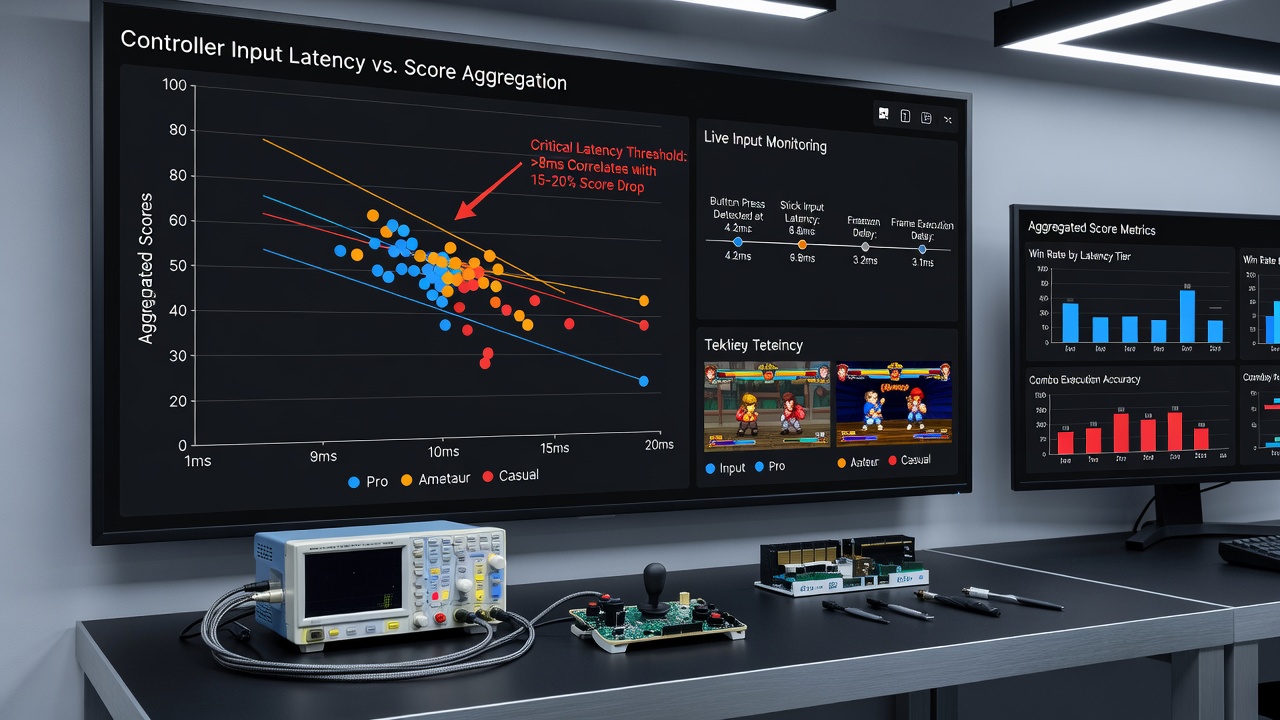
Researchers apply regression models that treat latency values as independent variables while using aggregated scores as dependent outputs; these calculations incorporate variables such as monitor refresh rates, USB polling intervals, and firmware versions to isolate controller-specific effects. Figures from the Canadian Institute for Digital Play reveal that every additional 5 milliseconds of latency associates with a 2.3 percent reduction in average combo length across sampled professional matches, although adaptation through predictive timing partially mitigates the impact for experienced competitors.
Observers note that score aggregations become particularly sensitive in best-of-five formats where small cumulative disadvantages compound across rounds, whereas single-elimination brackets sometimes mask these effects due to shorter match durations. Data from Australian esports governing bodies further supports the observation that standardized testing environments reduce score variance attributable to hardware by up to 19 percent when compared against unregulated events.
Broader Implications for Tournament Infrastructure
Event organizers now integrate latency verification stations at check-in areas to ensure parity, a practice that gained traction following reports presented at the 2025 International Esports Summit. IEEE publications on input timing provide the technical frameworks that many federations reference when updating equipment guidelines ahead of large-scale competitions. Players who compete across multiple regions often discover that adapting to local hardware norms requires deliberate practice sessions focused on timing recalibration rather than mechanical execution alone.
Yet the relationship between latency and scores remains dynamic because firmware updates and new controller revisions continuously alter baseline measurements; analysts tracking these changes through longitudinal datasets anticipate refined predictive models by mid-2026 that could inform real-time score adjustments during live broadcasts.
Conclusion
Correlations between controller input latency and score aggregations in fighting game series continue to inform equipment standards and player preparation strategies across global circuits. Ongoing data collection through 2026 events will likely strengthen these analytical models, offering clearer insights into how hardware variables shape competitive outcomes without overshadowing skill-based factors. Tournament infrastructure evolves alongside these findings to maintain fairness across diverse hardware configurations and regional ecosystems.