16 May 2026
Cross-Platform Port Optimization: How Developer Choices Impact Rating Consistency Across Hardware Ecosystems
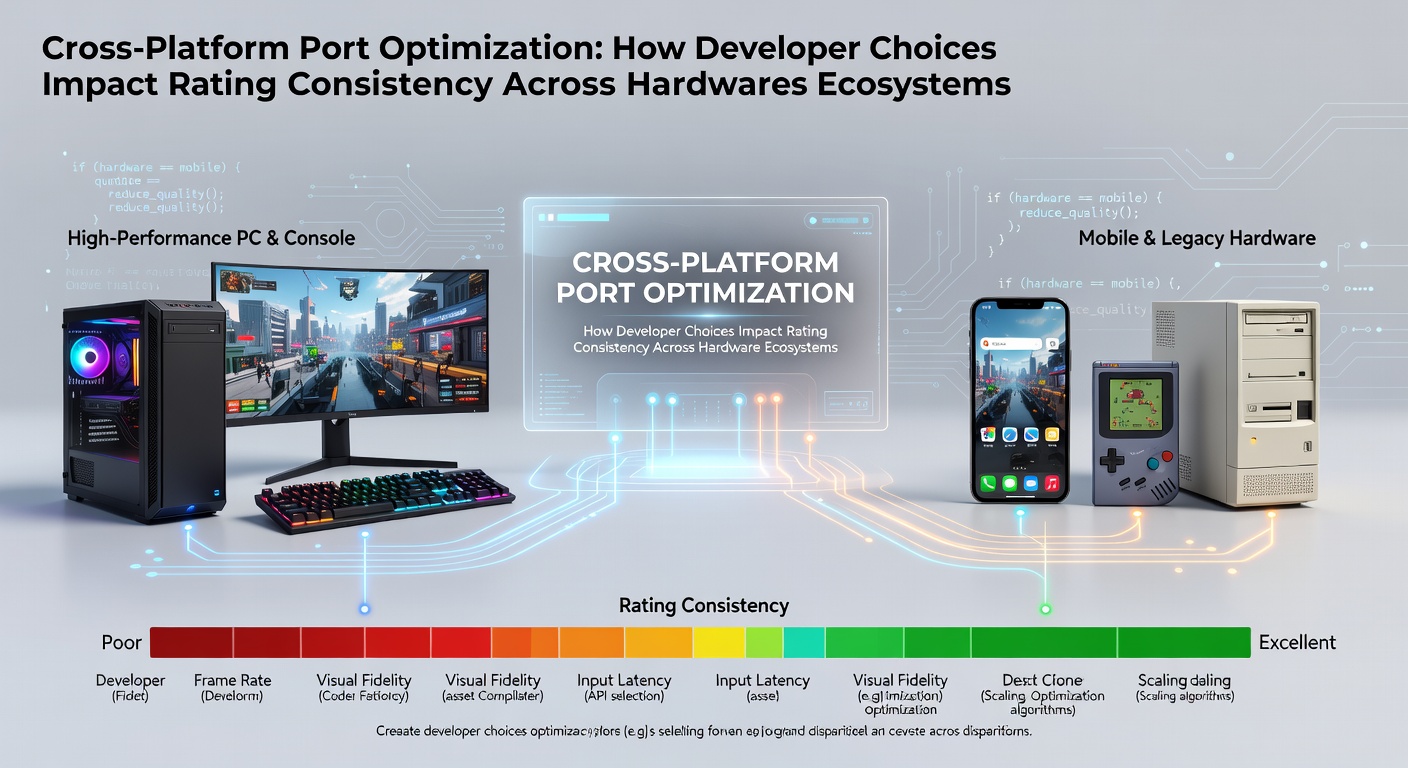
Cross-platform game releases have become standard practice in the industry, yet the optimization decisions made during porting processes continue to shape how consistently titles receive ratings from players and critics across different hardware setups. Developers must balance performance targets, visual fidelity, and control schemes while navigating the distinct architectures of PCs, consoles, and handhelds, and these choices frequently lead to measurable differences in user scores and review aggregates.
Core Optimization Strategies Employed by Studios
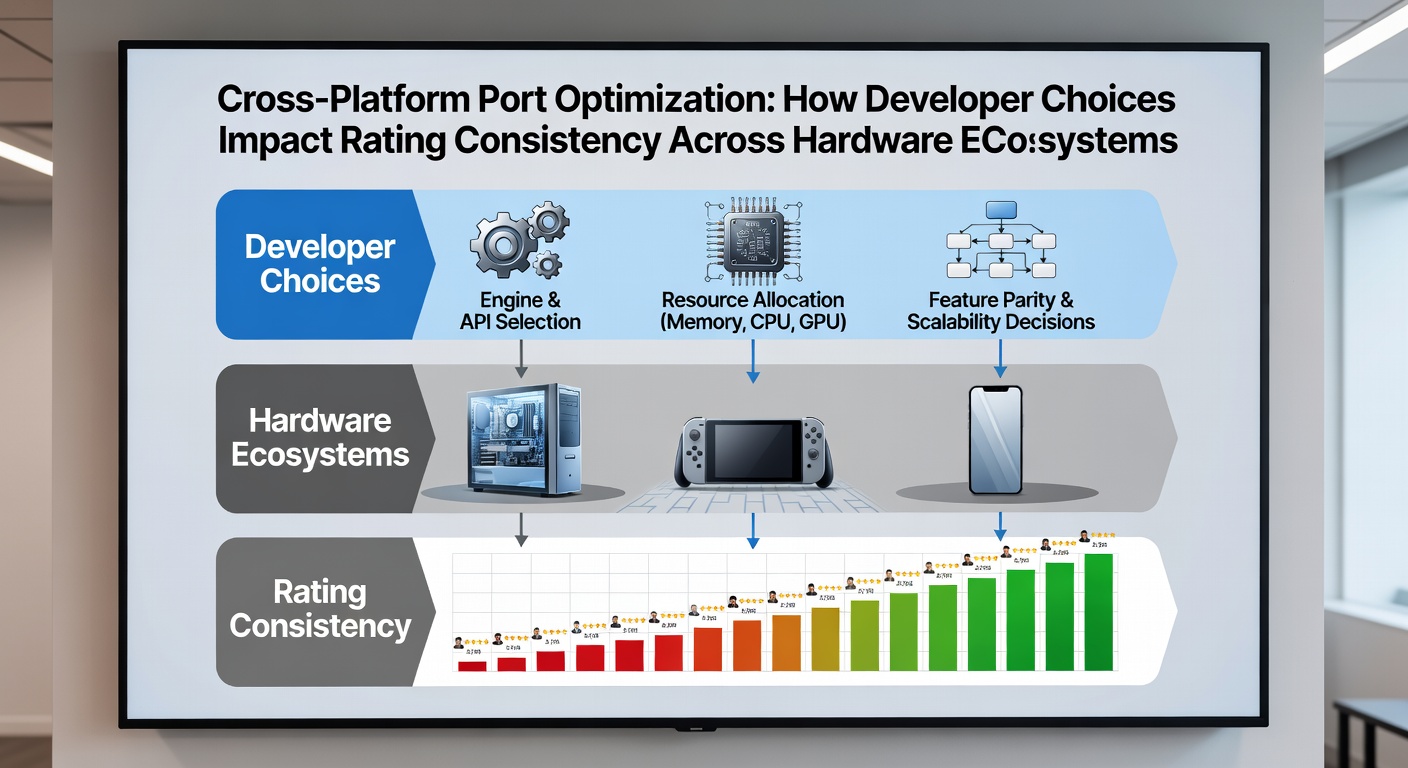
Teams begin by identifying hardware bottlenecks early in development, then apply targeted adjustments such as resolution scaling, texture compression, and input remapping to maintain stable frame rates. When studios prioritize unified codebases over platform-specific tuning, they often achieve faster deployment cycles yet encounter variances in load times and graphical stability that reviewers document through direct comparisons. Data from industry reports shows that titles relying on middleware solutions like Unreal Engine 5 receive more uniform performance metrics after patches, whereas custom engine ports require extended testing phases to align experiences across ecosystems.
How Hardware Differences Drive Rating Variations
PC configurations range widely in GPU power and storage speed, forcing developers to implement scalable settings that players adjust manually, and this flexibility sometimes produces higher satisfaction scores on high-end rigs while lower-end systems report stuttering issues. Console hardware follows stricter specifications, which allows tighter optimization yet limits customization options that enthusiasts value on PC. Handheld devices add further constraints around thermal limits and battery draw, prompting choices in dynamic resolution that can affect perceived smoothness during extended sessions. Researchers at academic institutions have documented that these technical disparities translate into rating gaps, with aggregate scores on review platforms differing by as much as 12 percent between versions when optimization receives insufficient attention.
Evidence from 2025-2026 Release Cycles
Analysis of major titles launched through early 2026 reveals patterns tied directly to development timelines and post-launch support commitments. Games that launched simultaneously across ecosystems tended to show tighter rating clusters after day-one patches addressed core stability concerns, while staggered releases often saw initial console scores diverge from later PC benchmarks. One study from a Canadian research group found that developers allocating at least 20 percent of porting budgets to hardware-specific profiling achieved more consistent Metacritic ranges across platforms. The Entertainment Software Association data further indicates that multi-platform titles with dedicated optimization teams maintained review score parity more reliably than those using automated porting tools alone.
Post-Launch Updates and Their Role in Score Alignment
Patches issued months after release frequently close performance gaps that initially depressed ratings on certain platforms, and developers who communicate these fixes clearly tend to see review score rebounds within aggregated databases. Observers note that community feedback loops on forums accelerate identification of remaining issues, allowing targeted hotfixes that restore consistency without full re-optimization cycles. In May 2026, several high-profile titles demonstrated this effect when mid-year updates equalized handheld and console experiences that had lagged behind PC versions at launch, resulting in narrowed rating spreads across tracking sites.
Future Outlook for Consistent Cross-Platform Experiences
Emerging tools centered on cloud-assisted rendering and modular asset pipelines offer studios new methods to reduce platform divergence, while industry associations continue to publish best-practice guidelines that standardize testing protocols. European regulatory bodies have begun examining transparency requirements around performance claims in marketing materials, which may encourage earlier investment in optimization resources. Those tracking these developments expect that continued refinement of developer workflows will produce narrower rating variances as hardware ecosystems mature through 2027 and beyond.
Conclusion
Developer choices during cross-platform port optimization directly influence rating consistency by determining how well each version matches player expectations for performance and stability. Continued attention to hardware profiling, timely updates, and evolving toolsets supports more uniform experiences across ecosystems, allowing audiences to evaluate titles on content merits rather than technical discrepancies.