27 May 2026
Decoding How Beta Test Telemetry Shapes Final Launch Performance Indicators for Upcoming Console Titles
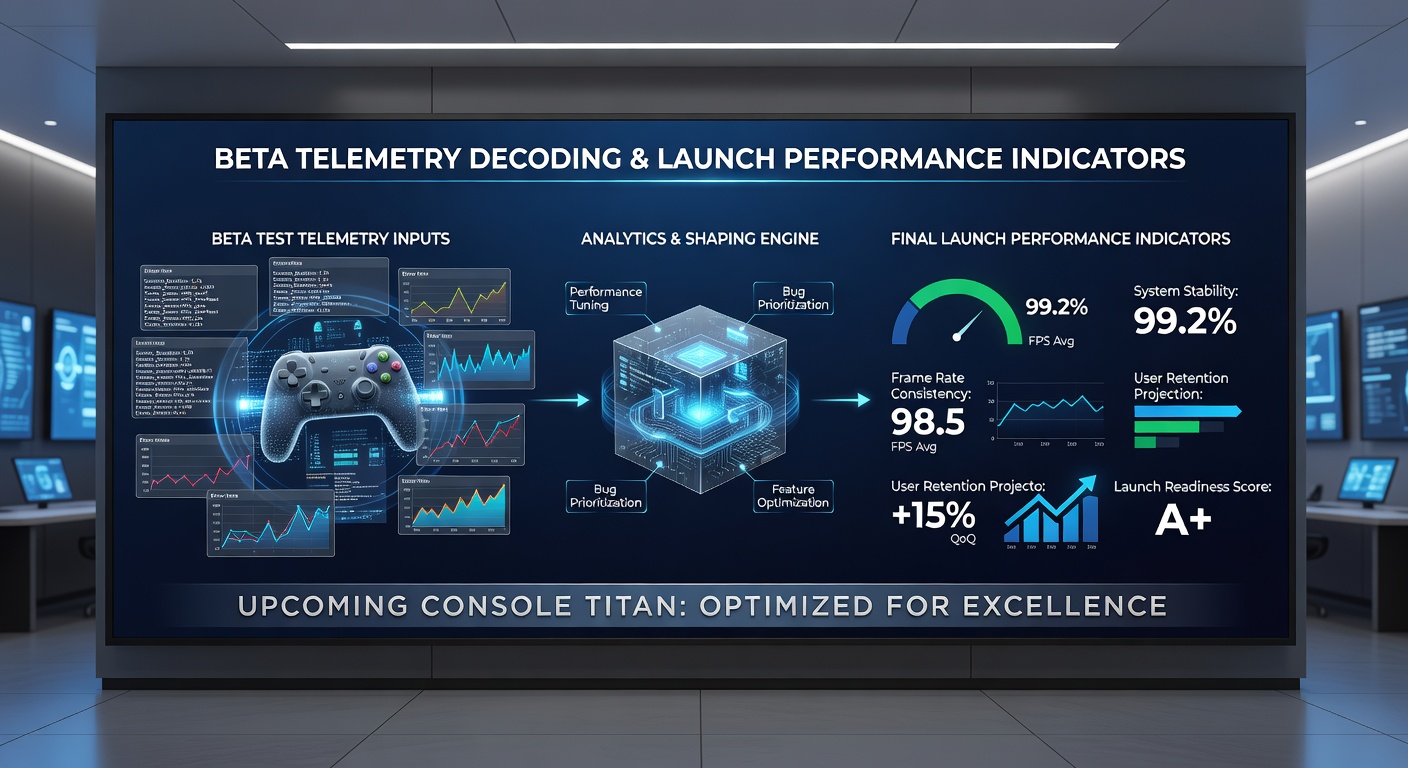
 Beta testing phases collect vast amounts of telemetry data that developers analyze to adjust game stability and balance before console launches occur, and this process directly influences launch day metrics such as player retention rates and review scores. Researchers track elements like frame rates, crash frequencies, session durations, and input response times during closed and open betas, then implement targeted fixes that reduce technical issues at release. Data from these sessions reveals patterns in player behavior across different hardware configurations, allowing teams to optimize patches that address regional network variations and controller compatibility problems. Telemetry systems log thousands of data points per minute in modern console betas, including heat map generation for level traversal and error reporting tied to specific firmware versions. Studios aggregate this information through centralized dashboards that highlight recurring problems, such as memory leaks on certain PlayStation or Xbox models, and they prioritize corrections based on severity rankings derived from player volume. In May 2026 several upcoming titles ran extended beta windows that fed real-time adjustments into final builds, resulting in measurable drops in day-one patch sizes compared to previous development cycles.
Key Telemetry Metrics Collected During Console Beta Phases
Performance indicators form the core of telemetry analysis, with developers monitoring average frames per second across multiple console SKUs alongside input latency measurements that affect competitive play modes. Crash logs pinpoint code pathways leading to instability, while network telemetry captures packet loss rates and matchmaking success percentages that shape server infrastructure decisions. Engagement metrics such as quest completion percentages and multiplayer queue times provide additional layers that correlate with long-term player activity forecasts.
- Hardware-specific load times and thermal throttling events
- Controller input accuracy and haptic feedback response rates
- Save file corruption incidents and cloud sync failures
- Regional language localization bug reports tied to subtitle timing
Impact on Launch Performance Indicators
Launch performance indicators encompass sales velocity, concurrent player peaks, Metacritic aggregates, and retention curves measured at 24-hour, 7-day, and 30-day intervals. Beta-derived optimizations reduce negative review clusters around technical performance, which in turn supports stronger word-of-mouth momentum during the critical first week. Studies from industry groups indicate that games addressing over 70 percent of beta-identified issues achieve higher average player session lengths at launch compared to those with limited telemetry follow-through.
 Telemetry also informs marketing adjustments when player drop-off points in beta levels signal pacing problems that could affect broader audience appeal. Developers recalibrate difficulty curves and tutorial segments based on completion funnel data, leading to smoother onboarding experiences that boost early retention numbers. According to reports from the Entertainment Software Association, console titles incorporating comprehensive beta feedback loops demonstrate improved cross-platform consistency in user satisfaction scores.
Case Examples from Recent Development Cycles
One development team working on a 2025 action title discovered through beta telemetry that certain enemy AI behaviors caused frame drops on base Xbox Series S hardware, prompting targeted optimizations that eliminated similar complaints after launch. Another studio tracked regional differences in multiplayer latency during European beta sessions and adjusted dedicated server placements, which contributed to stable peak concurrent numbers at release. Research conducted at the University of Alberta examined telemetry datasets from multiple console betas and found direct correlations between pre-launch crash rate reductions and higher 30-day retention figures.
Additional analysis from the Interactive Software Federation of Europe highlights how telemetry-guided balance patches in betas influence competitive scene growth, with titles showing fewer post-launch complaints attracting larger tournament participation within the first month. These patterns repeat across genres because telemetry provides objective benchmarks that subjective playtesting alone cannot quantify at scale.