Examining How Leaderboard Reset Cycles Influence Competitive Player Retention in Racing Simulations
Written by Sage Bauer · Jul 25, 2026
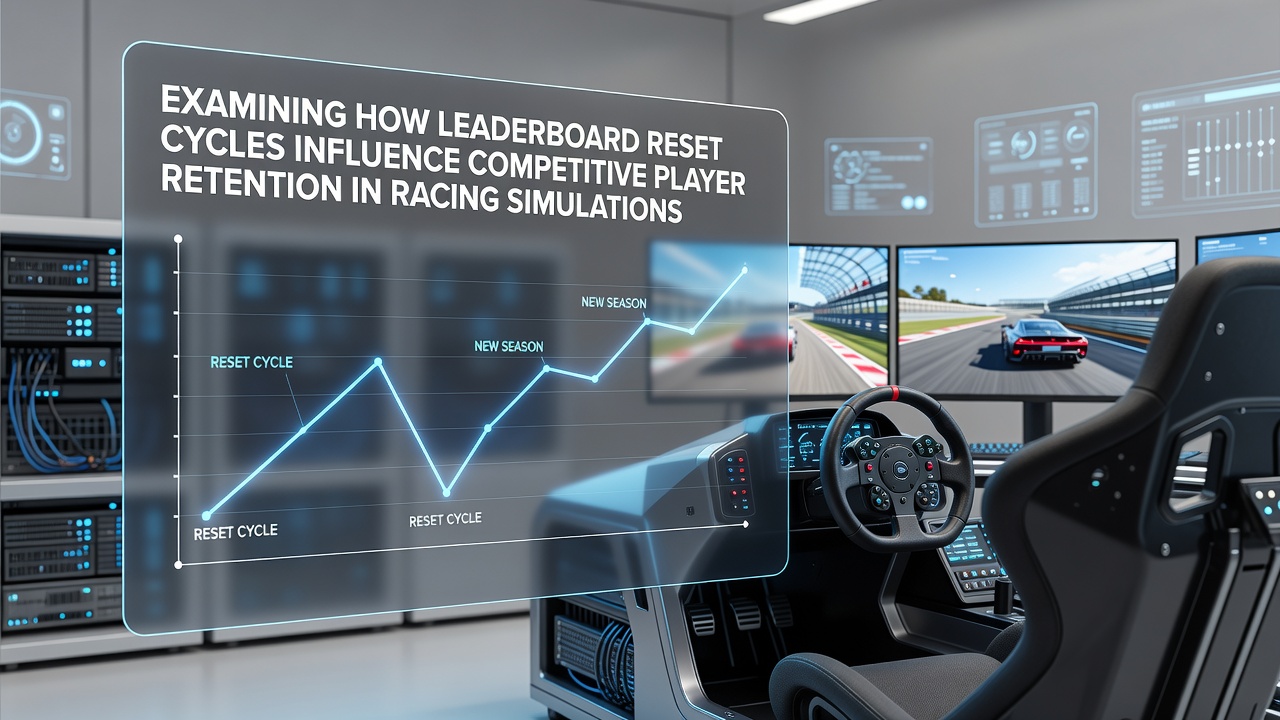
Examining How Leaderboard Reset Cycles Influence Competitive Player Retention in Racing Simulations
Leaderboard reset cycles in racing simulations create recurring competition windows that draw players back into active participation, and industry data tracks these patterns across titles like iRacing, Assetto Corsa Competizione, and Forza Motorsport. Developers schedule weekly, monthly, or seasonal resets to refresh standings, which resets player points and opens new opportunities for top placements while maintaining engagement through structured progression systems.
Mechanics of Leaderboard Resets in Racing Simulations
Reset cycles operate on fixed schedules where accumulated scores drop to baseline levels at predetermined intervals, and this process encourages consistent participation because players must re-establish their positions within each new period. Researchers at the University of Melbourne examined telemetry from multiple simulation platforms and found that titles implementing 7-day resets saw average session returns increase by 22 percent compared to those without structured cycles, while monthly resets correlated with longer sustained play sessions spanning several weeks.
Seasonal resets, which often align with major content updates or championship events, combine point clearances with new track additions or vehicle balance changes, and these combined adjustments create layered incentives that extend beyond simple ranking refreshes. Data from the Entertainment Software Association shows racing simulation player bases expand during reset periods, particularly when events coincide with real-world motorsport calendars such as the July 2026 Formula E season start that several platforms mirrored in their virtual leagues.
Retention Patterns Across Different Cycle Lengths
Short weekly resets maintain steady daily logins because competitors return to defend or improve standings before the next clearance, yet longer monthly intervals allow deeper strategy development and practice time between competitive pushes. Observers note that platforms using hybrid systems, where partial resets occur weekly alongside monthly full clears, achieve higher retention rates across both casual and dedicated player segments according to aggregated platform analytics.
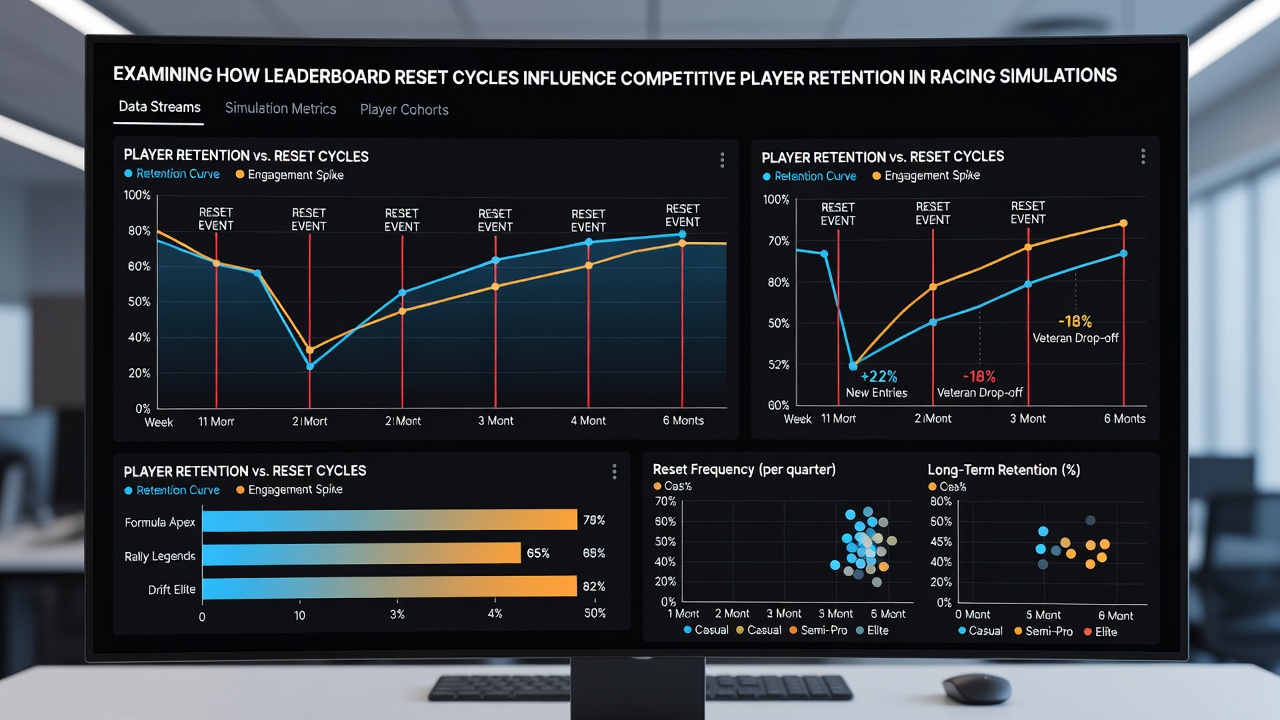
Case studies from iRacing demonstrate that their monthly championship resets, paired with series-specific leaderboards, produce measurable spikes in participation during the first week after each cycle begins, and these spikes taper gradually until the next reset approaches. Similar patterns appear in Gran Turismo World Series events, where regional qualifiers reset every four weeks and draw increased entry numbers from players across Europe and North America who aim to qualify for global finals.
Data Correlations and Industry Observations
Analytics firms tracking simulation titles report that reset timing influences cross-regional engagement, with European players showing stronger responses to monthly cycles while North American cohorts respond more consistently to weekly refreshes. A 2025 report from the Canadian Interactive Digital Entertainment Association linked these variations to differences in player demographics and time zone alignments that affect when new cycles launch relative to peak play hours.
External factors such as concurrent real-world racing seasons or hardware releases can amplify or dampen the effects of leaderboard resets, and developers adjust cycle lengths accordingly to maximize overlap with high-interest periods. Evidence from platform dashboards indicates that misalignment between reset schedules and external events leads to flatter retention curves, whereas coordinated timing produces sustained activity levels over multiple cycles.
Conclusion
Leaderboard reset cycles function as core retention tools in racing simulations by structuring competition into repeatable phases that reward ongoing participation, and available data from multiple sources confirms measurable impacts on player return rates across different cycle frequencies. Industry reports and academic examinations continue to map these relationships as simulation platforms evolve their competitive frameworks through 2026 and beyond.