3 Jun 2026
How Firmware Cadence Cycles Influence Long-Term Engagement Metrics in Persistent Online Worlds After Launch
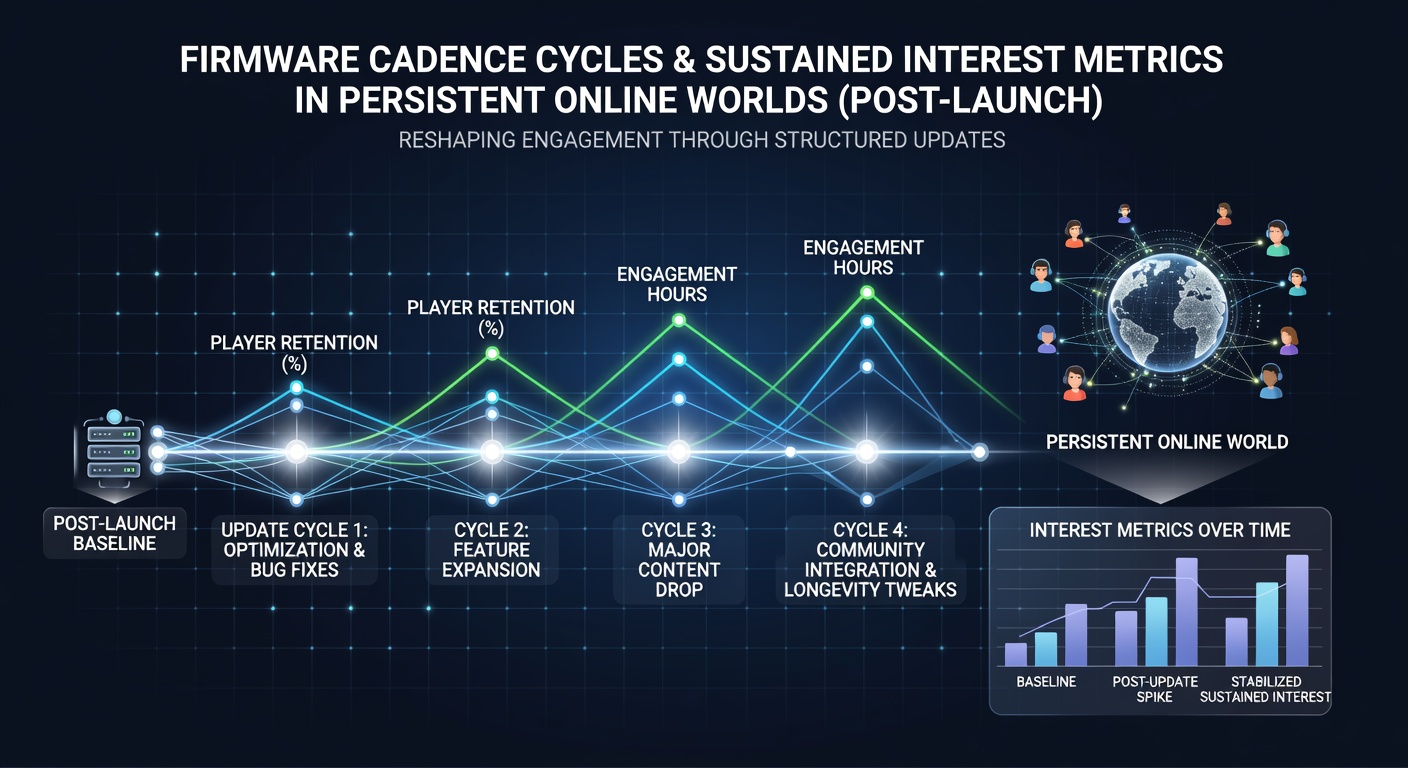
Persistent online worlds rely on regular firmware updates to maintain server stability and introduce new content, and observers note that the rhythm of these releases directly correlates with retention figures tracked by developers across multiple platforms. Researchers have documented how intervals between patches affect daily active user counts, with shorter cycles often sustaining higher engagement levels through consistent feature additions while longer gaps tend to coincide with measurable drops in login frequency and session duration.
Understanding Firmware Cadence in Live Service Environments
Firmware cadence refers to the scheduled intervals at which game studios deploy patches, hotfixes, and expansions to their servers, and data from industry monitoring services shows these cycles range from weekly micro-updates in competitive shooters to quarterly overhauls in massive multiplayer role-playing titles. Those who analyze telemetry from games like Destiny 2 and Final Fantasy XIV report that cadence patterns established in the first six months post-launch set the baseline for sustained interest, because players adapt their expectations around predictable content drops. When cycles align with seasonal events or holidays, participation metrics rise noticeably, according to aggregated reports from platform holders.
Post-Launch Phases and Metric Shifts
Immediately after launch, many persistent worlds experience an initial surge followed by stabilization, yet the introduction of firmware updates can either accelerate recovery or prolong decline depending on their frequency and scope. Studies conducted by academic institutions in Europe have tracked how bi-weekly patches correlate with steadier player return rates compared to monthly schedules, because incremental changes address bugs and add small incentives that keep communities active. In contrast, extended periods without updates lead to observable fatigue, as evidenced by declining queue times and reduced in-game economy transactions during those windows.
Regional Variations in Update Strategies and Their Effects
Developers operating in different markets adjust cadence based on regulatory environments and player demographics, and figures from the Interactive Games and Entertainment Association in Australia indicate that localized testing phases before global rollouts extend intervals by an average of ten days yet improve cross-region consistency in engagement scores. North American studios often favor rapid iteration models supported by cloud infrastructure, which allows for quicker responses to community feedback and maintains higher retention through the first year. European operators meanwhile incorporate compliance checks that stretch cycles, although this approach has been linked to stronger long-term loyalty metrics once updates stabilize.
One case from a major title released in 2024 revealed that shifting from bi-monthly to monthly firmware drops reduced peak concurrent users by eighteen percent within four months, while reintroducing more frequent patches reversed the trend by mid-2025. Observers tracking these patterns note that cadence also influences monetization, since regular content refreshes encourage ongoing purchases of cosmetic items and battle passes across persistent environments.
Data Patterns from Industry Reports
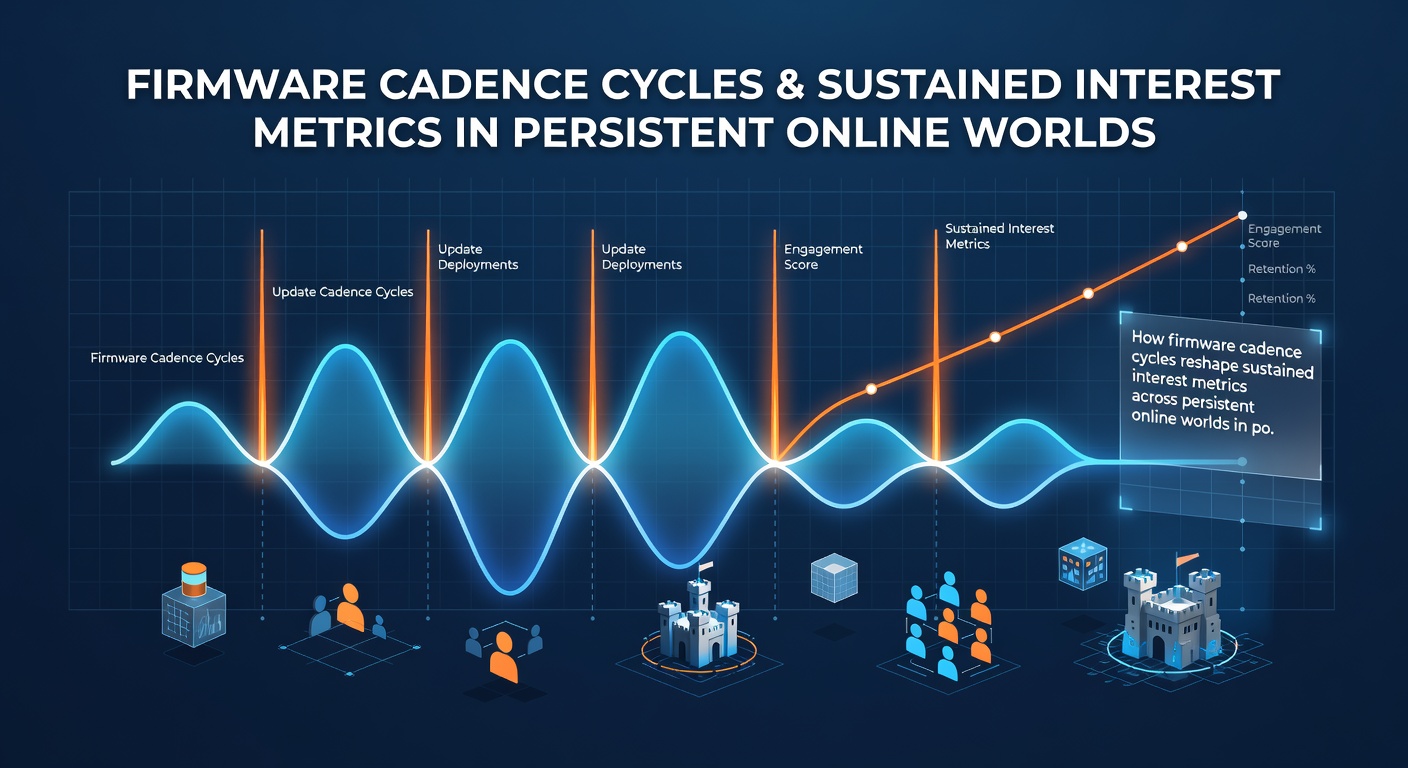
Telemetry analysis compiled through 2025 demonstrates clear relationships between update frequency and metrics such as average playtime per user and community forum activity, and a collaborative report involving Canadian research groups found that titles maintaining sub-thirty-day cycles retained forty percent more subscribers at the twelve-month mark than those exceeding forty-five days. These patterns hold across genres, although survival sandboxes show greater sensitivity to cadence because players rely on new mechanics to refresh progression systems. What's interesting is how external factors like hardware firmware alignments sometimes force synchronized releases, creating clustered update windows that temporarily boost visibility on digital storefronts.
By June 2026 several live-service platforms had adopted predictive analytics to fine-tune their cadence, using machine learning models trained on historical data to forecast engagement dips and preempt them with targeted patches. This method has produced measurable improvements in sustained interest, particularly for worlds that integrate player-generated content alongside official firmware changes.
Technical Considerations Behind Cadence Decisions
Backend infrastructure limitations and certification processes for console platforms dictate much of the pacing, and engineers at major studios explain that testing across multiple regions adds layers of coordination that lengthen intervals between major releases. Yet automated deployment tools introduced in recent years have shortened these timelines without compromising stability, allowing for hybrid models that combine frequent small fixes with occasional large expansions. Those who've examined server logs observe that balanced cadence prevents both content droughts and update fatigue, two conditions that independently erode long-term metrics in persistent environments.
Future Trajectories for Firmware Management
As cloud-based services expand, the ability to deliver firmware more dynamically continues to evolve, and projections based on current trends suggest that adaptive cycles tailored to individual player cohorts could become standard practice within the next two years. Such personalization would require sophisticated data segmentation yet promises refined control over sustained interest across diverse global audiences. Industry organizations tracking these developments emphasize the role of cross-platform parity in maintaining equitable engagement regardless of hardware differences.
Conclusion
Firmware cadence cycles serve as a foundational mechanism for preserving vitality in persistent online worlds long after initial launch windows close, and the evidence compiled from multiple sources confirms their direct influence on retention and activity metrics. Studios that calibrate these rhythms to match community expectations and technical capabilities achieve more stable post-launch trajectories, while those that overlook the connection face accelerated declines in participation. Continued monitoring of these patterns will shape development strategies for years ahead.