Linking Wearable Health Metrics to Customizable Difficulty Curves in Active Gaming Platforms
Written by Leon Fischer · Aug 19, 2026
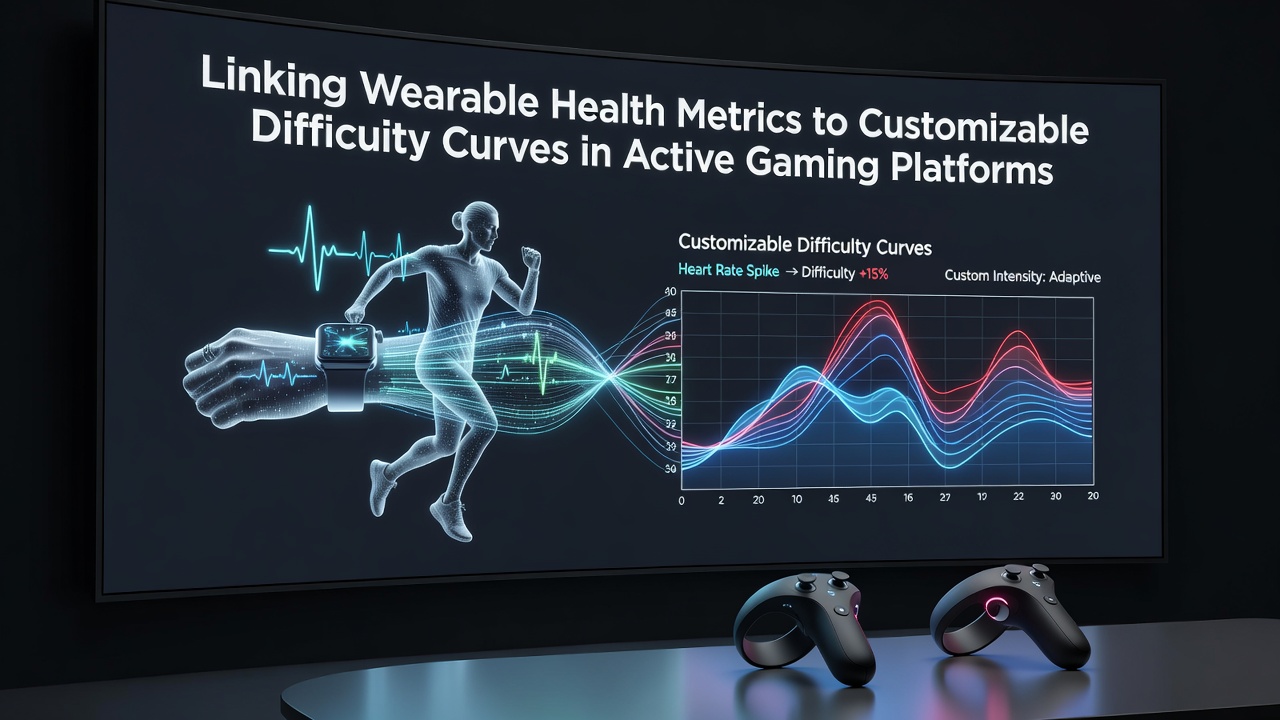
Linking Wearable Health Metrics to Customizable Difficulty Curves in Active Gaming Platforms
Active gaming platforms now connect wearable health metrics directly to adjustable difficulty systems, and developers have built these integrations around data streams from devices that track heart rate, oxygen saturation, and movement intensity. Research from multiple studies shows that real-time biometric feedback allows games to scale challenge levels based on individual physiological responses rather than fixed presets. Platforms collect these inputs through APIs that pull continuous readings, then map them onto curve algorithms that raise or lower enemy aggression, pace requirements, and recovery windows.
How Biometric Inputs Shape Game Mechanics
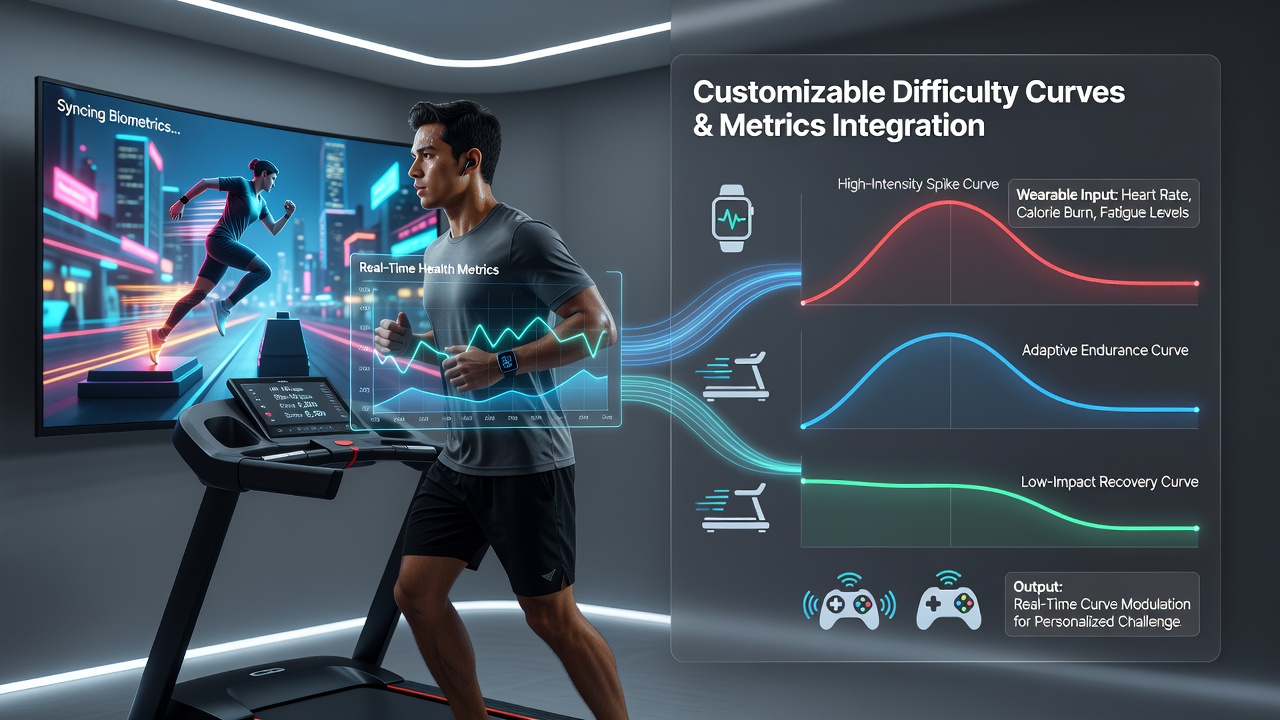
Developers program difficulty curves to respond to specific thresholds, so a player whose heart rate stays elevated during a cardio sequence sees reduced sprint demands while another user with steadier readings encounters faster target spawns. Data indicates that this mapping occurs through machine learning models trained on aggregated session logs, where patterns from thousands of users refine the curve parameters over time. In August 2026 platform updates introduced expanded sensor compatibility that included newer wrist devices and chest straps, expanding the range of variables available for calibration. Observers note that these changes let users set custom sensitivity bands, which means the system can prioritize metrics like cadence over raw heart rate if that preference is selected in the profile menu.
Implementation Across Major Platforms
Console and PC ecosystems have adopted different approaches to this linkage. Some titles embed the adjustments inside core gameplay loops while others route them through companion apps that push settings back to the main game client. Evidence from industry reports reveals that European developers often incorporate regional health guidelines into default curve presets, whereas North American studios emphasize user-defined overrides. Take one implementation where a fitness-focused action title adjusts jump timing windows according to detected blood oxygen dips, creating shorter windows during detected fatigue and longer ones after detected recovery periods. Those who've examined telemetry from these systems find that engagement duration increases when the curve adapts within the first five minutes of play rather than waiting for later segments.
Data Integration and Curve Customization Options
Customization occurs through layered menus that let players define which metrics trigger which responses, and many platforms now support community-shared curve templates that users import with a single click. Researchers discovered that allowing fine control over weighting factors, such as giving movement variance twice the influence of heart rate, produces more consistent session-to-session performance for users recovering from injury. Australian health authorities have published guidance on safe biometric thresholds for digital exercise environments, and developers reference those ranges when building safety caps that pause or soften difficulty if readings exceed set limits. The ball is in the developers' court to balance responsiveness with privacy, since continuous data streams require secure handling protocols that meet varying international standards.
Observed Patterns in Player Retention and Performance
Figures from platform analytics indicate that titles using linked metrics retain active users at higher rates across multi-week periods compared with static difficulty systems. One study revealed that participants who activated biometric adaptation completed 30 percent more sessions before reporting fatigue, while another dataset showed reduced early drop-off when curves incorporated real-time feedback. What's interesting is how these systems handle edge cases, such as users with variable baseline readings due to medication or environmental factors, by offering calibration routines that establish personal norms before full integration begins. People who've tried shared curve libraries often discover that templates tuned for endurance activities transfer well to rhythm-based movement games but require adjustment for precision targeting sequences.
Technical Considerations and Future Directions
Engine-level support for low-latency biometric polling has improved, and current middleware handles simultaneous inputs from multiple wearables without introducing input lag. Yet the reality is that battery constraints on both devices and sensors still limit continuous high-frequency sampling during longer play sessions. Academic papers from Canadian research institutions have examined how different curve shapes, linear versus exponential, affect physiological outcomes when paired with health data, and those findings feed directly into design tools used by smaller studios. As sensor accuracy continues to advance, platforms gain the capacity to incorporate additional signals such as skin conductance or breathing rate, which would expand the dimensionality of the difficulty mapping.
Conclusion
The connection between wearable health metrics and customizable difficulty curves continues to evolve through iterative updates that refine both the data pipelines and the user controls. Platform holders release periodic SDK improvements that simplify integration for new titles, while existing games receive patches that expand metric options and safety thresholds. Those monitoring adoption trends see steady growth in the number of active gaming releases that include these features as standard rather than optional modules, and the underlying algorithms grow more sophisticated with each cycle of aggregated user data.