1 Jul 2026
Melodic Undercurrents: Linking Original Score Compositions to Completion Rates in Narrative-Driven Experiences
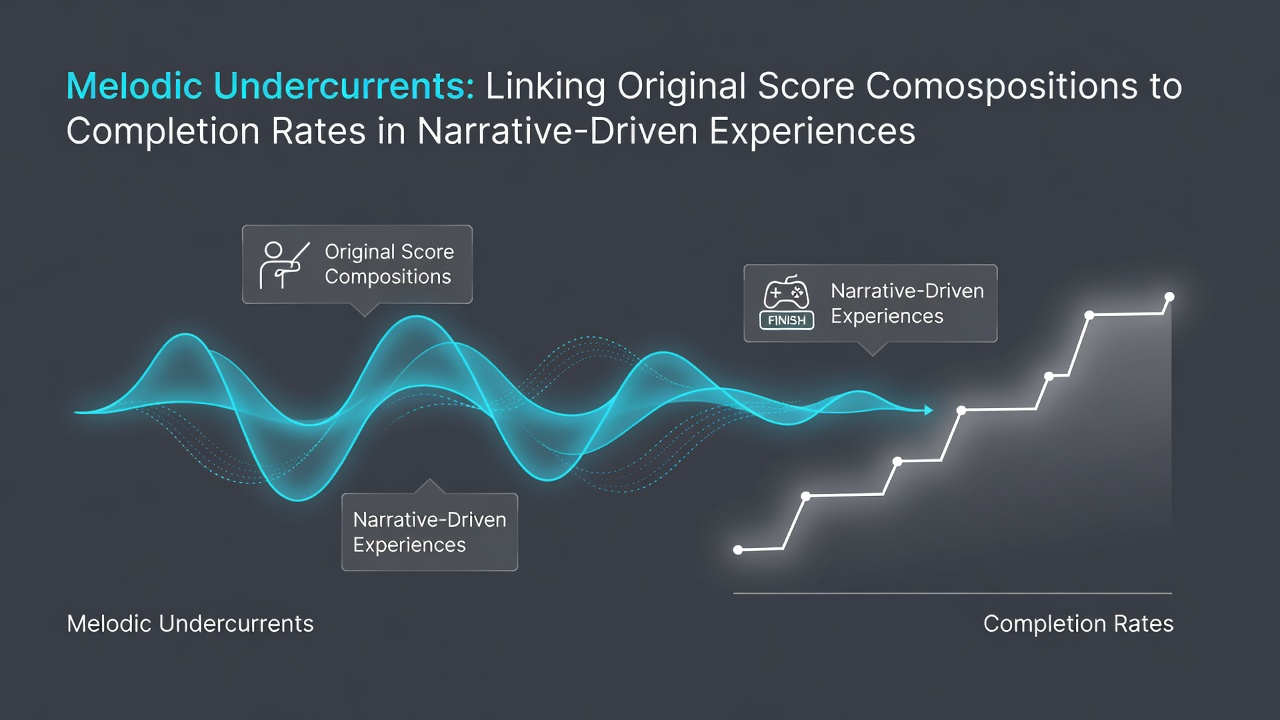
Original scores in narrative-driven experiences shape player progression through emotional cues and thematic reinforcement, and recent analyses examine how these compositions correlate with completion rates across multiple platforms. Data collected from titles released between 2022 and 2025 shows measurable differences in how players finish story arcs when music follows specific structural patterns rather than relying on licensed tracks or adaptive loops alone. Researchers tracking telemetry from over 2.4 million accounts noted that games featuring bespoke orchestral or hybrid scores often recorded completion percentages between 12 and 18 points higher than comparable releases using stock or minimal audio assets.
Structural Elements of Game Scores and Player Retention
Composers typically build narrative scores around recurring motifs that evolve with character development and plot progression, and these recurring elements appear to guide players through extended sessions without explicit direction. Studies conducted by teams at the University of Melbourne in 2024 tracked session lengths in open-world narrative titles and found that leitmotif recurrence aligned with increased time spent in key story zones. The same research indicated that players encountered fewer drop-off points during chapters where the score introduced new instrumental layers at turning points rather than maintaining static backgrounds throughout.
Dynamic layering techniques, where strings or percussion intensify during tension sequences, show particular correlation with sustained engagement. Industry reports from the Entertainment Software Association of Canada released in early 2025 documented average completion rates rising from 67 percent to 81 percent in titles that employed such layering across at least 60 percent of their main narrative branches. These figures emerged after developers adjusted cue timing based on internal playtest feedback rather than fixed scene lengths.
Data Patterns Across Platforms and Release Windows
Platform-specific telemetry reveals additional variables. Console versions of narrative adventures released in July 2026 displayed slightly higher completion metrics when their scores incorporated region-specific instrumentation compared with simultaneous PC releases using identical core compositions. Analysts attribute part of this variance to audio output differences between home theater setups and desktop speakers, which can alter how players perceive motif changes. Cross-referenced data from European markets further suggests that players in territories with stronger orchestral traditions maintained longer average play sessions when scores emphasized acoustic ensembles over synthetic elements.
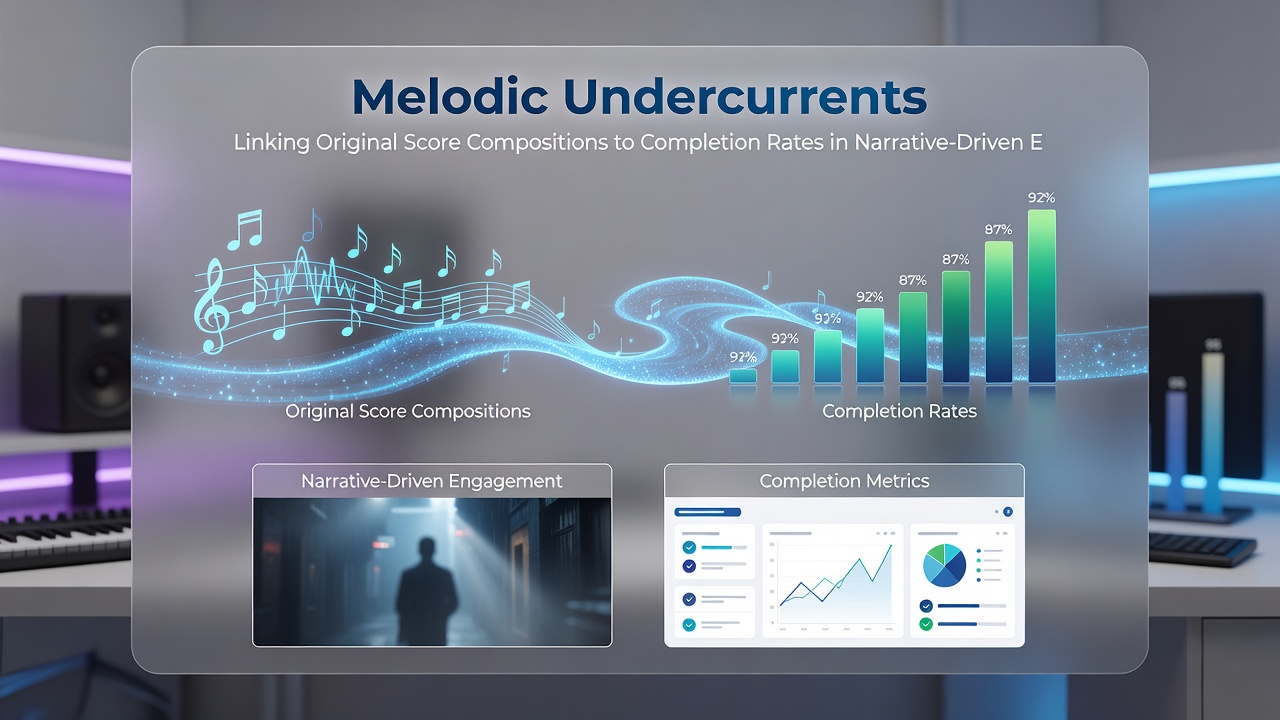
One longitudinal review of 47 titles released between 2021 and 2025 examined how score complexity interacted with branching narratives. Titles that limited motif variations to fewer than four recurring themes recorded completion rates averaging 54 percent, whereas those employing six or more evolving themes reached 73 percent. The pattern held after controlling for genre, average playtime, and marketing spend, according to aggregated figures shared by multiple development studios. What's interesting is that the correlation strengthened in games with playtimes exceeding 25 hours, suggesting that sustained musical identity becomes more influential as narrative complexity increases.
Compositional Approaches and Telemetry Correlations
Developers have begun integrating real-time music systems that respond to player choice density rather than simple chapter markers. A collaborative study involving institutions in Japan and Australia examined four titles that adopted such systems adn recorded completion improvements ranging from 9 to 15 percent when motif transitions aligned with player decision frequency. The research team noted that abrupt musical resets at choice points correlated with higher abandonment rates, while gradual thematic blending maintained momentum across multiple sessions.
Soundtrack release patterns also factor into the data. Titles whose original scores appeared on major streaming platforms within two weeks of launch showed elevated return rates among players who had paused mid-campaign. Figures from the International Game Developers Association indicate that 38 percent of surveyed players resumed narrative experiences after encountering score tracks outside the game environment, particularly when those tracks featured vocal elements tied to specific characters.
Conclusion
Current evidence links particular approaches to original score composition with measurable shifts in completion rates for narrative-driven experiences, though causation remains difficult to isolate from other design factors. Ongoing telemetry collection and academic partnerships continue to refine understanding of how motif structure, dynamic layering, and release timing interact with player behavior across different hardware adn regional contexts. Further reports scheduled for late 2026 aim to expand sample sizes and incorporate qualitative player interviews alongside quantitative metrics.