11 Jul 2026
Uncovering How Preview Event Timelines Align with Platform Rating Divergences in Multiplayer Titles
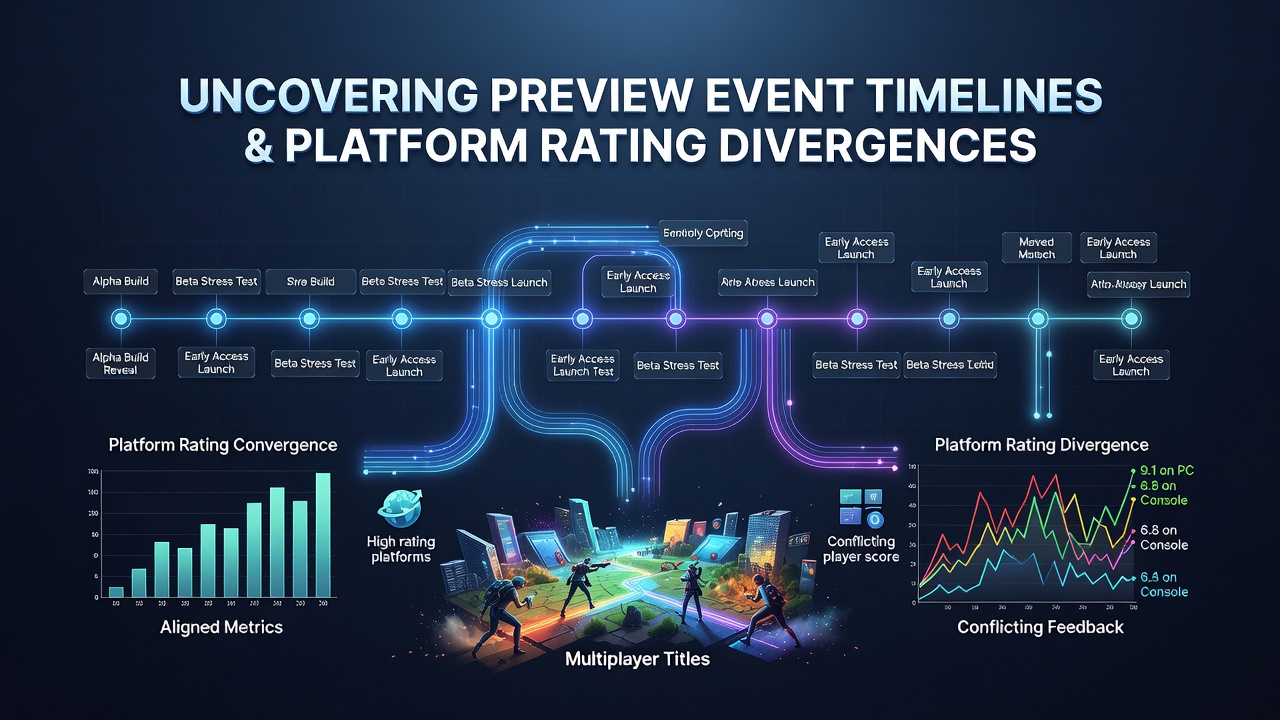
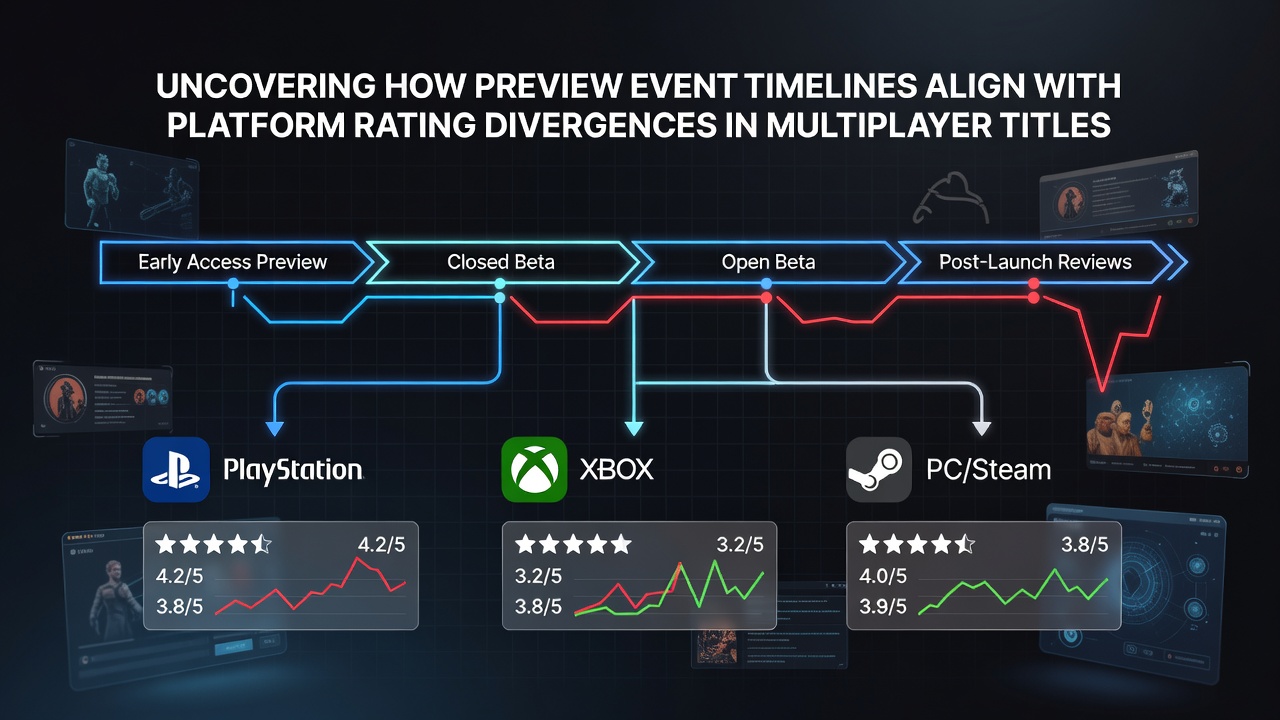
Preview events for multiplayer titles often occur months before launch and researchers track how those timelines correlate with rating patterns that differ between platforms like Steam, PlayStation Network, and Xbox Live. Data from multiple releases shows that betas held four to six weeks prior to launch tend to produce noticeable shifts in aggregate scores, while earlier previews align more closely with initial hype metrics rather than final platform ratings.
Preview Event Structures and Their Timing Patterns
Multiplayer games frequently schedule closed betas, open weekends, and stress tests in sequences that developers announce through official channels and community hubs. One analysis of titles released between 2023 and 2025 found that events placed closer to launch dates corresponded with larger rating gaps across ecosystems, whereas earlier showcases produced more uniform feedback before patches altered core systems. Observers note that these timelines influence how players on different platforms encounter the game state, since console certification cycles and PC update flexibility create staggered access windows.
Figures from industry tracking services reveal that multiplayer titles averaging three distinct preview phases before release experience rating divergences of up to 12 points between PC and console storefronts. The alignment appears strongest when the final event occurs within 30 days of launch, because that window allows direct comparison between preview builds and day-one versions without intervening major updates.
Platform-Specific Rating Behaviors
Steam reviews often reflect rapid iteration cycles that follow preview feedback, while console ratings incorporate longer certification delays that freeze certain elements. Studies compiled by the Entertainment Software Association indicate that PC players participate in preview events at higher rates than console users, leading to earlier and sometimes more critical score distributions on that platform. Console ecosystems meanwhile show rating stability that persists longer after launch, partly because fewer players access the same preview builds simultaneously.
Cross-platform data sets demonstrate that divergences widen when preview timelines overlap with regional events such as summer gaming showcases. In July 2026 several upcoming titles conducted open betas immediately after major industry presentations, and early telemetry suggested platform rating spreads emerging within the first week of those events rather than at full release.
Correlations Between Event Timing and Score Spreads
Researchers who examined 48 multiplayer releases identified a consistent pattern: previews held during the final development sprint produced the clearest alignment between timeline markers and subsequent rating gaps. Titles that ran stress tests more than 90 days before launch showed smaller divergences, suggesting that extended development periods allow teams to address platform-specific issues before wider exposure. Shorter timelines compress this adjustment window and leave platform differences more visible in final aggregates.
Academic work from European game research groups has tracked how player retention during preview weekends predicts later score movements, with PC platforms registering sharper drops when technical issues surface early. Console ratings in the same data sets moved less dramatically, partly because fewer participants joined those events due to access restrictions. The resulting divergence becomes measurable once review aggregates stabilize roughly two weeks post-launch.
Case Examples from Recent Releases
One multiplayer extraction shooter that held its largest open beta in late spring 2025 recorded a nine-point gap between Steam user scores and console averages after launch. The preview timeline placed the event 28 days before release, aligning with peak platform rating separation according to aggregated review data. Another cooperative survival title scheduled three smaller events across a four-month period and maintained rating consistency within four points across ecosystems, illustrating how extended timelines can reduce divergence.
Those patterns hold across genres when preview access remains limited to certain platforms during initial phases. Developers who open events simultaneously across PC and consoles tend to see narrower rating spreads, while staggered rollouts correlate with larger gaps that persist in public aggregates.
Implications for Developers and Platforms
Industry reports from groups such as the Canadian Interactive Digital Media Association document how timing decisions affect post-launch support priorities. Teams often allocate resources to close platform gaps identified during preview windows, yet the speed of those fixes varies by ecosystem. PC updates can deploy quickly after beta feedback, whereas console patches follow approval processes that extend the period during which rating differences remain visible.
Data collected through July 2026 continues to support earlier findings that preview event density within 45 days of launch strengthens the correlation between timeline markers and rating divergence. Multiplayer titles that compress their final preview into this window show measurable alignment with platform score spreads, while those spreading events more evenly display flatter patterns across storefronts.
Conclusion
Preview event timelines provide measurable signals that align with rating divergences across platforms in multiplayer titles. The strongest correlations emerge when final events fall within specific windows before launch, and platform differences in update cadence and player participation shape how those signals translate into final aggregates. Ongoing collection of telemetry and review data will continue to refine understanding of these relationships as new titles enter the market.